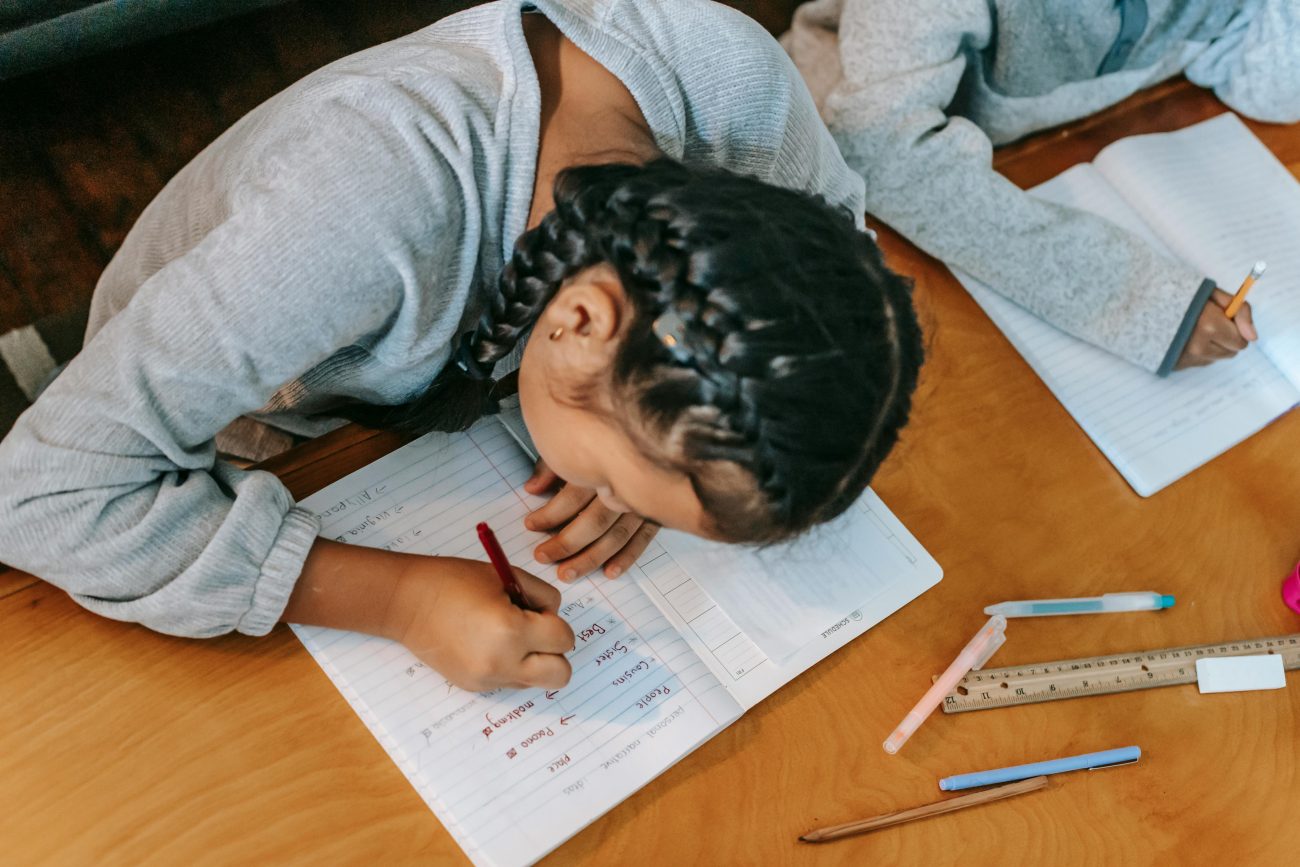
The final few weeks of the summer holidays often bring mixed emotions. Some children can’t wait to see their friends again, meet their new teacher and get back into the routine of school. Others become a little quieter, a little more uncertain or begin asking questions about what September might bring.
Parents often notice these changes before children talk about them openly. A child who seems more emotional than usual, becomes reluctant to talk about school or suddenly starts worrying about small things may simply be processing the thought of returning after six weeks away.
These feelings are completely normal. Starting a new school year brings change, and children respond to change in different ways. Some embrace it immediately, while others need a little more reassurance before they begin to feel settled.

Every Child Starts September Differently
It’s easy to compare children, particularly when one sibling seems excited about going back while another appears anxious or reluctant. In reality, there is no “right” way to feel about the start of a new school year.
Some children enjoy the fresh start that September brings. Others worry about new teachers, different classmates or work becoming more difficult. Even children who have always enjoyed school can feel uncertain when routines have been replaced by six weeks of holidays.
As a teacher, I’ve seen children walk through the classroom door in September with very different emotions. Some arrive full of confidence, while others take a little longer to find their feet. More often than not, those early worries begin to fade once familiar routines return and children settle back into everyday school life.
Moving To Secondary School Is A Big Milestone
For children moving from Year 6 into Year 7, September brings an even bigger change.
A larger school, different classrooms, multiple teachers, new friendships and greater independence can feel exciting, but they can also feel overwhelming. It’s a significant step, and it’s perfectly natural for children to have questions or concerns about what lies ahead.
Parents sometimes worry that their child isn’t ready, particularly if confidence has dipped towards the end of primary school or they have found certain subjects challenging.
The reassuring news is that secondary schools understand this transition. Teachers expect children to take time to settle in, and there is plenty of support available as they become familiar with new routines and expectations.
One of the most valuable things parents can do is listen. Encouraging children to talk about what they’re looking forward to, as well as anything they’re worried about, often helps those concerns feel much more manageable.
Building Confidence Before September
Many parents feel pressure to spend the final week of the holidays revising Maths, practising spellings or completing workbooks.
A little preparation can certainly help, but confidence often has a much bigger influence on how children start the new term than trying to squeeze in as much learning as possible before the school gates reopen.
Simple things can make a real difference. Gradually returning to a more familiar bedtime routine, spending time reading together, talking positively about school and encouraging children to become a little more independent all help create a smoother transition.
Children don’t need to know everything before September, but they do need to feel ready to learn.
How Summer Tuition Can Help
For some children, a small amount of one-to-one tuition during the summer holidays can provide exactly the boost they need.
Rather than trying to race ahead with new topics, summer tuition offers the opportunity to revisit areas that have become a little rusty, strengthen confidence and answer questions without the pace or pressures of the classroom. Sessions are tailored to the individual child, allowing them to focus on the areas where they need the most support.
This can be particularly beneficial for children moving into Year 7, where the academic step up is often accompanied by significant social and organisational changes. Spending time rebuilding confidence before September can help children approach that transition with a much more positive mindset.
For younger pupils, a few sessions over the summer can help maintain momentum, refresh key Maths and English skills and make the return to school feel less daunting after a long break.
Looking Ahead
The beginning of a new school year isn’t about being perfect. Every child starts September with different strengths, different experiences and different feelings about what lies ahead.
Parents don’t need to have all the answers, and children don’t need to know everything before they return to school. What matters most is that they feel supported, listened to and confident enough to embrace the opportunities a new school year brings.
With reassurance, encouragement and, where appropriate, a little extra support, most children settle far more quickly than parents expect. Before long, new routines become familiar, new friendships begin to grow and the worries of the summer holidays become a distant memory.